4/30/2007

Taue ... Tanada

棚田 田植え Planting Rice


“百選”棚田 早苗揺れ 岡山
美咲大垪和西地区 田植え始まる


「日本の棚田百選」に選ばれている岡山県美咲町大垪和西地区で29日、田植えが始まった。幾重にも美しい曲線を描く水田は初夏を思わせる陽光にキラキラと輝き、植えられたばかりの早苗が風にそよいでいる。

 同地区の棚田は大小約850枚。全国的にも珍しいすり鉢状の傾斜地約42ヘクタールに広がる。田植えのトップを切ったのは、有機栽培で約1・2ヘクタールを手掛ける北山昇さん(69)。あきたこまちやキヌヒカリなどの苗を機械で植え、妻の広子さん(66)は狭い場所を手植えでサポート。標高約420メートルの静かな山あいで作業に汗を流した。
(2007年4月30日掲載)
 © Sanyo Shinbun 山陽新聞 

:::::::::::::::::::::::::::::::::::::::::::::::::::::::::::::::::::::::::::::::::::::::::::::::::::::


rapeseed blossoms
the earth filled with
sunshine


 © Gabi Greve
棚田の写真がいっぱい !


:::::::::::::::::::::::::::::::::::::::::::::::::::::::::::::::::::::::::::::::::::::::::::::::::::::

大垪和 。。。道の駅に戻る – Michi no Eki - BACK

:::::::::::::::::::::::::::::::::::::::::::::::::::::::::::::::::::::::::::::::::::::::::::::::::::::
worldkigo

4/28/2007

Tanada no Sanpo

棚田の散歩 Walk the Terraced Rice Fields


ゴールデン ウイーク 棚田は最高の散歩道です。


. 散歩はこちらから 。。。 30枚の写真を見て ! .


ボク は道案内のじゃ。。。


:::::::::::::::::::::::::::::::::::::::::::::::::::::::::::::::::::::::::::::::::::::::::::::::::::::

大垪和 。。。道の駅に戻る – Michi no Eki - BACK

:::::::::::::::::::::::::::::::::::::::::::::::::::::::::::::::::::::::::::::::::::::::::::::::::::::
worldkigo

4/27/2007

Police Box Koban

新しい交番 ! New Police Station !


駐在所ができました !大垪和の安全と平穏を !


. 山陽新聞の記事は こちら  .


所在地 は
打穴北(一部)、大垪和西、大垪和東、境、角石祖母、両山寺、和田北

大垪和西1132-6 
電話番号 0868-68-0121


:::::::::::::::::::::::::::::::::::::::::::::::::::::::::::::::::::::::::::::::::::::::::::::::::::::

大垪和 。。。道の駅に戻る – Michi no Eki - BACK

:::::::::::::::::::::::::::::::::::::::::::::::::::::::::::::::::::::::::::::::::::::::::::::::::::::
worldkigo

070426 Jishin

地震  Earthquake


Whoooo 今回は感じましたよ、すごい! 二回にわたって、家はジャンプしました !
四国全体が揺れたのです!

This gave us two rather strong jolts, running out of the house ... but no damage !


. YAHOO 地震情報 .

2007年4月26日 9時3分ごろ
震源地 愛媛県東予
規模 マグニチュード 5.4

震度4
岡山県 岡山県南部 玉野市

震度2
岡山県北部 津山市 新見市 鏡野町 岡山美咲町 真庭市 美作市 総社市 高梁市 和気町 矢掛町 吉備中央町 赤磐市

**********************************************

中四国震度4 岡山、広島香川縦横に大きな揺れ

26日発生した愛媛県東予を震源とする地震で、岡山、広島、香川県では最大で震度4を観測。一部で学校の貯水タンクの破裂や壁のひび割れなどの被害が発生した。

 震度4だった坂出市では、香川県立坂出商業高(同市青葉町)の校舎西館(4階建て)屋上にある貯水タンク(容量6トン)の底が破損し、校舎全体が断水。3時間目以降を臨時休校とし、全校生徒約480人を帰宅させた。

 砂留修司教頭は「生徒にけががなくほっとしている。28日から仮設タンクを設置して、5月1日から通常授業を再開したい」と話した。

 香川県内ではこのほか、県立学校7校と小中学校10校で壁のひび割れなどが報告された。観音寺市立総合体育館では天井パネルにずれが生じ、使用中止となった。

 岡山県は県危機管理体制整備方針に基づき、県や県警が警戒態勢をとったが被害情報はなかった。香川県も危機管理対策本部を設置。いずれも夕方に態勢を解除した。
. Copyright © 1996-2007 The Sanyo Shimbun,all rights reserved. .


:::::::::::::::::::::::::::::::::::::::::::::::::::::::::::::::::::::::::::::::::::::::::::::::::::::

大垪和 。。。道の駅に戻る – Michi no Eki - BACK

:::::::::::::::::::::::::::::::::::::::::::::::::::::::::::::::::::::::::::::::::::::::::::::::::::::
worldkigo

4/16/2007

Jishin Earthquake

地震    Earthquake


2007年4月15日 12時19分ごろ

三重県中部
マグニチュード 5.3

震度1: 岡山県北部 岡山県南部

....................................

確かに家が動いた。。。


. YAHOO earthquake service .


Later at around six thirty,

2007年4月15日 18時34分ごろ
マグニチュード 4.5


:::::::::::::::::::::::::::::::::::::::::::::::::::::::::::::::::::::::::::::::::::::::::::::::::::::

Strong earthquake jolts Japan

By MARI YAMAGUCHI, Associated Press Writer

TOKYO - A moderate earthquake jolted central Japan on Sunday, injuring at least five people, damaging houses and a 400-year-old castle, police and officials said.
The quake caused part of a stone wall to collapse at the more than 400-year-old Kameyama Castle, but nobody was injured, according to local police. Several houses were partially damaged.

The 5.4-magnitude quake hit at 12:19 p.m. local time and was centered in Mie prefecture, about 200 miles southwest of Tokyo, the U.S. Geological Survey said.

About six hours later, a magnitude-4.5 temblor believed to be an aftershock struck the area, Japan's Meteorological Agency reported.


:::::::::::::::::::::::::::::::::::::::::::::::::::::::::::::::::::::::::::::::::::::::::::::::::::::


after the quake -
the spider's web
still perfectly round

Earthquake Haiku World Kigo Database


:::::::::::::::::::::::::::::::::::::::::::::::::::::::::::::::::::::::::::::::::::::::::::::::::::::

大垪和 。。。道の駅に戻る – Michi no Eki - BACK

:::::::::::::::::::::::::::::::::::::::::::::::::::::::::::::::::::::::::::::::::::::::::::::::::::::
worldkigo

4/06/2007

Robata Konro

串焼きコンロろばた♪

Brazier for grilling food on a stick

kushiyaki


PHOTO : © Kushiyaki Konro


Now in our home :


Or a normal grill with net


. GokuRakuAn .


:::::::::::::::::::::::::::::::::::::::::::::::::::::::::::::::::::::::::::::::::::::::::::::::::::::

大垪和 。。。道の駅に戻る – Michi no Eki - BACK

:::::::::::::::::::::::::::::::::::::::::::::::::::::::::::::::::::::::::::::::::::::::::::::::::::::
worldkigo

4/05/2007

Yuki Yuki Snow

雪 雪 SNOW

今朝は3℃ぐらい、昨日も寒い風。
午後からちょっと。。。雪 !
。。。 後 。。。 晴れ


. GokuRakuAn .


:::::::::::::::::::::::::::::::::::::::::::::::::::::::::::::::::::::::::::::::::::::::::::::::::::::

大垪和 。。。道の駅に戻る – Michi no Eki – BACK

:::::::::::::::::::::::::::::::::::::::::::::::::::::::::::::::::::::::::::::::::::::::::::::::::::::
worldkigo

TYPHOON SEASON 2007

台風情報 Taifun Season 2007

YAHOO Typhoon Service


:::::::::::::::::::::::::::::::::::::::::::::::::::::::::::::::::::::::::::::::::::::::::::::::::::::

台風 23 / 24 号
11月 26 日


台風23号
2007年11月26日16時30分発表 
台風23号は、26日15時にはバシー海峡のにあって、北北西へ毎時15kmで進んでいます。中心気圧は980hPa、中心付近の最大風速は30m/sです。この台風は、27日3時にはバシー海峡付近へ達する見込みです。27日15時には沖縄の南へ達するでしょう。28日15時には沖縄の南へ達する見込みです。29日15時には沖縄の南で温帯低気圧に変わる見込みです。


台風24号 HAGIBIS(ハギビス)
2007年11月26日16時30分発表 
台風24号は、26日15時には南シナ海のにあって、東北東へ毎時15kmで進んでいます。中心気圧は994hPa、中心付近の最大風速は23m/sです。この台風は、27日15時には南シナ海付近へ達する見込みです。28日15時にはフィリピン付近へ達するでしょう。29日15時にはフィリピンの東へ達する見込みです。


Typhoon 24 is progressing.


台風24号
2007年11月27日16時30分発表 
台風24号は、27日15時にはフィリピン付近にあって、東北東へ毎時35kmで進んでいます。中心気圧は994hPa、中心付近の最大風速は18m/sです。この台風は、フィリピンを横断して、28日15時にはフィリピンの東海上へ達する見込みです。

:::::::::::::::::::::::::::::::::::::::::::::::::::::::::::::::::::::::::::::::::::::::::::::::::::::

台風 21 号
11月05 日 PEIPAH(ペイパー)


2007年11月5日16時30分発表 
5日15時にはフィリピンの西海上にあって、西へ毎時15kmで進んでいます。中心気圧は985hPa、中心付近の最大風速は30m/sです。この台風は、今後南シナ海を南西進する見込みです.


:::::::::::::::::::::::::::::::::::::::::::::::::::::::::::::::::::::::::::::::::::::::::::::::::::::

台風 20 号
10月26 日 FAXAI(ファクサイ)

2007年10月26日16時30分発表 
台風20号は、26日15時には南大東島の南約210Kmにあって、北北西へ毎時30kmで進んでいます。中心気圧は998hPa、中心付近の最大風速は18m/sです。この台風は、27日15時には潮岬の南南東約270Km、28日15時には日本の東へ達する見込みです。29日15時には日本のはるか東で温帯低気圧に変わる見込みです。

This one passed clode to Kanto and is now gone (October 28).


:::::::::::::::::::::::::::::::::::::::::::::::::::::::::::::::::::::::::::::::::::::::::::::::::::::

台風 19 号
10月20日 KAJIKI(カジキ)


2007年10月20日10時30分発表 
強い台風19号は、20日9時には小笠原近海にあって、北北西へ毎時15kmで進んでいます。中心気圧は965hPa、中心付近の最大風速は40m/sです。この台風は、21日9時には父島の南西約200Km、22日9時には関東の南東海上へ達し、23日9時には日本のはるか東で温帯低気圧に変わる見込みです

:::::::::::::::::::::::::::::::::::::::::::::::::::::::::::::::::::::::::::::::::::::::::::::::::::::

台風 17 号
10月06日

Two new typhoons in one day, this and number 16 !

2007年10月6日16時30分発表  PODUL(ポードル)


台風17号は、6日15時には日本のはるか東海上にあって、北東へ毎時45kmで進んでいます。中心気圧は990hPa、中心付近の最大風速は18m/sです。


Ty Nr. 18 passed along the pacific without much notice to Japan.

:::::::::::::::::::::::::::::::::::::::::::::::::::::::::::::::::::::::::::::::::::::::::::::::::::::

台風 16 号
10月06日

2007年10月6日12時00分発表 : アジア名 HAIYAN(ハイエン)
台風16号は、6日12時にはミッドウェー諸島付近にあって、北西へ毎時15kmで進んでいます。中心気圧は998hPa、中心付近の最大風速は18m/sです.

:::::::::::::::::::::::::::::::::::::::::::::::::::::::::::::::::::::::::::::::::::::::::::::::::::::

台風 15 号
10月02日 KROSA(クローサ)


2007年10月2日10時30分発表 
台風15号が2日9時にフィリピンの東海上で発生し、ほとんど停滞しています。中心気圧は996hPa、中心付近の最大風速は18m/sです。この台風は、今後フィリピンの東海上をゆっくり北上し、5日9時には沖縄の南海上へ達する見込みです。


2007年10月4日10時30分発表 
大型で非常に強い台風15号は、4日9時にはフィリピンの東海上にあって、西北西へ毎時15kmで進んでいます。中心気圧は940hPa、中心付近の最大風速は45m/sです。
強風半径: 中心から南東750km / 中心から北西560km

Still heading toward China.


2007年10月5日16時30分発表
 
大型で猛烈な台風15号は、5日15時には石垣島の南約380Kmにあって、北西へ毎時10kmで進んでいます。中心気圧は925hPa、中心付近の最大風速は55m/sです。


2007年10月6日10時30分発表

This has turned into quite a low pressure ! Now it heads toward Korea and we might even be in the outer ranges of the wind. And Nr. 16 on the other side is brewing.
中心気圧 920hPa
2007年10月6日16時30分発表 
大型で非常に強い台風15号は、6日15時には与那国島の西約80Kmにあって、北西へ毎時25kmで進んでいます。中心気圧は925hPa、中心付近の最大風速は50m/sです。


Continued here, coming toward Japan !
台風 15 号, Typhoon Number 15


:::::::::::::::::::::::::::::::::::::::::::::::::::::::::::::::::::::::::::::::::::::::::::::::::::::

台風 14 号
9月30日

2007年9月30日16時30分発表  LEKIMA(レキマー)


超大型の台風14号は、30日15時には南シナ海にあって、西南西へ毎時20kmで進んでいます。中心気圧は992hPa、中心付近の最大風速は20m/sです。この台風は、1日から2日にかけて南シナ海をやや発達しながら北西へ進む見込みです。
強風半径 中心から850km

:::::::::::::::::::::::::::::::::::::::::::::::::::::::::::::::::::::::::::::::::::::::::::::::::::::

台風 13 号
9月24日

2007年9月24日10時30分発表 
台風13号は、24日9時には南シナ海北部のにあって、西へ毎時20kmで進んでいます。中心気圧は990hPa、中心付近の最大風速は23m/sです。この台風は、25日9時にはトンキン湾付近へ達し、26日9時にはベトナム付近で熱帯低気圧に変わる見込みです。

This one is heading toward China and Vietnam.

:::::::::::::::::::::::::::::::::::::::::::::::::::::::::::::::::::::::::::::::::::::::::::::::::::::

台風 12 号
9月16日

アジア名 WIPHA(ウィパー)


2007年9月16日10時30分発表 
台風12号が発生しました。台風12号は16日9時にはフィリピンの東海上にあって、西へゆっくり進んでいます。中心気圧は992hPa、中心付近の最大風速は18m/sです。この台風は、17日から18日にかけて沖縄の南海上を西進し、19日9時には先島諸島近海付近へ達する見込みです。


2007年9月17日10時30分発表 
17日9時には宮古島の南東約360Kmにあって、西北西へ毎時20kmで進んでいます。中心気圧は975hPa、中心付近の最大風速は30m/sです。この台風は、17日21時には宮古島の南約180Km、18日9時には西表島付近へ達するでしょう。また、19日9時には東シナ海付近へ達する見込みです。

Heading toward China/Korea

2007年9月18日16時30分発表 
非常に強い台風12号は、18日15時には与那国島の北北西約140Kmにあって、北西へ毎時30kmで進んでいます。中心気圧は930hPa、中心付近の最大風速は50m/sです.
20日15時には黄河下流域で温帯低気圧に変わる.

:::::::::::::::::::::::::::::::::::::::::::::::::::::::::::::::::::::::::::::::::::::::::::::::::::::

台風 11 号
9月13日

アジア名 NARI(ナーリー)

2007年9月13日16時30分発表 
台風11号が発生しました。この台風11号は、13日15時には南大東島の南南東約390Kmにあって、北西へ毎時20kmで進んでいます。中心気圧は998hPa、中心付近の最大風速は18m/sです。この台風は、14日15時には那覇市の南東約190Km、15日15時には奄美大島の西約250Km、16日15時には九州の西へ達するでしょう.


2007年9月14日4時30分発表 
14日3時には南大東島の南南西約220Kmにあって、西北西へ毎時30kmで進んでいます。中心気圧は985hPa、中心付近の最大風速は25m/sです.


2007年9月14日16時30分発表 
非常に強い台風11号は、14日15時には那覇市の南南東約140Kmにあって、西北西へ毎時20kmで進んでいます。中心気圧は955hPa、中心付近の最大風速は45m/sです。

This morning it looked as if it would head for Korea, but at four it turned back to the Nihonkai side of Japan.

2007年9月15日16時30分発表 
非常に強い台風11号は、15日15時には久米島の北約310Kmにあって、北へ毎時20kmで進んでいます。中心気圧は940hPa、中心付近の最大風速は50m/sです。台風は、16日15時にはチェジュ島の南南西約60Km、17日15時には朝鮮半島付近へ達する見込みです。また、18日15時には日本海で温帯低気圧に変わる見込みです

It is going over South Korea, but we get a lot of rain just now, Sunday afternoon.

2007年9月16日13時30分発表 
強い台風11号は、16日12時にはチェジュ島の南南東約50Kmにあって、北へ毎時30kmで進んでいます。中心気圧は960hPa、中心付近の最大風速は40m/sです。この台風は、17日0時にはプサンの西約110Km、17日12時にはウルルン島の西北西約70Kmの海上を経て、18日9時には日本海で温帯低気圧に変わる見込みです。

Well, this one did not hit Ohaga straight, but we got some rain. Northern Japan was drenched by the 17th of Semptember.


:::::::::::::::::::::::::::::::::::::::::::::::::::::::::::::::::::::::::::::::::::::::::::::::::::::

台風 10 号
9月7日
アジア名 DANAS(ダナス)

2007年9月7日22時30分発表 
7日21時には南鳥島の北東約410Kmにあって、北西へ毎時15kmで進んでいます。中心気圧は1002hPa、中心付近の最大風速は18m/sです。この台風は、8日21時には南鳥島の北約650Km、9日21時には日本の東へ達するでしょう。10日21時には日本のはるか東へ達する見込みです。

This one will hopefully not come to Western Japan. Nr. 12 is already lingering South!

:::::::::::::::::::::::::::::::::::::::::::::::::::::::::::::::::::::::::::::::::::::::::::::::::::::

台風 9 号
8月29日

ジア名 : FITOW(フィートウ)


2007年8月29日16時30分発表 
台風9号は、29日15時には南鳥島近海にあって、北東へ毎時10kmで進んでいます。中心気圧は996hPa、中心付近の最大風速は18m/sです。この台風は、この後進路を変えて、1日にかけて南鳥島近海を北西進する見込みです。

2007年8月30日16時30分発表 
30日15時には南鳥島の東約310Kmにあって、北へ毎時10kmで進んでいます。中心気圧は975hPa、中心付近の最大風速は30m/sです。この台風は、発達しながら、31日15時には南鳥島の北北東約370Km、1日15時には南鳥島の北約500Kmに進み、2日15時には小笠原近海付近へ達する見込みです... 夕方 970hPa 。


2007年9月1日10時30分発表 
強い台風9号は、1日9時には南鳥島の北北西約450Kmにあって、西北西へ毎時15kmで進んでいます。中心気圧は970hPa、中心付近の最大風速は35m/sです。この台風は、2日9時には南鳥島の北西約600Km、3日9時には父島の東約500Kmの海上へ達する見込みです.

Still no clue weather it will come our way or not !

2007年9月2日10時30分発表 
2日9時には南鳥島の北西約550Kmにあって、西南西へゆっくり進んでいます。中心気圧は970hPa、中心付近の最大風速は30m/sです。この台風は引き続き西進し、3日9時には父島の東約500Km、4日9時には父島の東北東約240Km、5日には小笠原近海付近へ達する見込みです。


2007年9月3日16時30分発表 

台風9号は、3日15時には父島の東約440Kmにあって、西へゆっくり進んでいます。中心気圧は970hPa、中心付近の最大風速は30m/sです。この台風は、4日3時には父島の東約250Km、4日15時には父島の東北東約110Km、5日15時には父島の北北西約300Km、6日15時には伊豆諸島近海付近へ達するでしょう

Now it seems to head toward the Kanto area.
2007年9月4日13時30分発表 
4日12時には父島の北東約100Kmにあって、西へ毎時10kmで進んでいます。中心気圧は970hPa、中心付近の最大風速は30m/sです。この台風は、5日0時には父島の北北西約140Km、5日12時には八丈島の南約430Km、6日9時には伊豆諸島近海付近へ達する見込みです。7日9時には関東南海上へ達するでしょう.


Now he seems moving away from our area.


2007年9月5日13時30分発表 
強い台風9号は、5日12時には八丈島の南約400Kmにあって、北西へ毎時20kmで進んでいます。中心気圧は965hPa、中心付近の最大風速は35m/sです。この台風は、6日0時には八丈島の南南西約230Km、6日12時には三宅島の南西約110Km、7日9時には山形県付近へ達する見込みです。8日9時には北海道の南海上へ達するでしょう。


2007年9月6日20時30分発表 
強い台風9号は、6日19時には石廊崎の南約120Kmにあって、北へ毎時20kmで進んでいます。中心気圧は965hPa、中心付近の最大風速は35m/sです。6日20時の推定位置は、石廊崎の南南西約100kmです。この台風は、7日6時には熊谷市付近へ達する見込みです。7日18時には秋田市の南東約30Km、8日15時には帯広市の北北東約50Km、9日15時には千島近海で温帯低気圧に変わる見込みです。
This one is going right over Tokyo and the Kanto area, up to the north toward Hokkaido.


:::::::::::::::::::::::::::::::::::::::::::::::::::::::::::::::::::::::::::::::::::::::::::::::::::::

台風 8 号
8月13日

SEPAT(セーパット)

2007年8月13日4時30分発表 
台風8号は、13日3時にはフィリピンの東の海上にあって、ほとんど停滞しています。中心気圧は1002hPa、中心付近の最大風速は18m/sです。この台風は、今後ゆっくりと西へ進む見込みです。

2007年8月16日16時30分発表 
猛烈な台風8号は、16日15時にはフィリピンの東の海上にあって、北北西へ毎時15kmで進んでいます。中心気圧は910hPa中心付近の最大風速は55m/sです。
Heading toward China.

:::::::::::::::::::::::::::::::::::::::::::::::::::::::::::::::::::::::::::::::::::::::::::::::::::::

台風 7 号
8月09日

Heading toward China WUTIP(ウーティップ)
later merged with Nr. 06 over China.

2007年8月9日4時30分発表 
8日15時には沖縄の南にあって
9日3時には与那国島の南約280Kmにあって、北北西へ毎時15kmで進んでいます。中心気圧は990hPa、中心付近の最大風速は20m/sです。この台風は、9日15時には与那国島の西南西約120Km、10日3時には台北の西北西約170Km、11日3時には華中付近へ達する見込みです。12日3時には華中で熱帯低気圧に変わる見込みです。

:::::::::::::::::::::::::::::::::::::::::::::::::::::::::::::::::::::::::::::::::::::::::::::::::::::

台風 6 号
8月6日

Heading toward China. PABUK(パブーク)

2007年8月7日10時30分発表 
台風6号は、7日9時には石垣島の南南東約290Kmにあって、西へ毎時25kmで進んでいます。中心気圧は975hPa、中心付近の最大風速は30m/sです。この台風は、7日21時に与那国島の南約270Kmの海上、8日9時に台湾海峡付近を経て、9日に華南に上陸し、10日9時には熱帯低気圧に変わる見込みです。


:::::::::::::::::::::::::::::::::::::::::::::::::::::::::::::::::::::::::::::::::::::::::::::::::::::

台風 5 号
7月29日

Click for more information !

詳しい情報はこちら !Details are HERE !


:::::::::::::::::::::::::::::::::::::::::::::::::::::::::::::::::::::::::::::::::::::::::::::::::::::

台風 4 号
7月09日

2007年7月9日4時30分発表 アジア名 MAN-YI(マンニィ)
台風4号は、9日3時にはカロリン諸島のにあって、西南西へ毎時30kmで進んでいます。
中心気圧は996hPa、中心付近の最大風速は18m/sです。この台風は、10日3時にはカロリン諸島付近へ達し、11日から12日3時にかけてはフィリピンの東へ進む見込みです

9日15時
にはマリアナ諸島付近にあって、北西へ毎時35kmで進んでいます。中心気圧は992hPa、中心付近の最大風速は20m/sです。この台風は、10日15時にはフィリピンの東へ達する見込みです。11日15時にはフィリピンの東へ達するでしょう。12日15時には沖縄の南へ達する見込みです. 985hPa


7月10日16時30分発表


10日15時にはフィリピンの東にあって、北西へ毎時15kmで進んでいます。中心気圧は970hPa、中心付近の最大風速は30m/sです。この台風は、引き続きフィリピンの東を北西に進んだ後、12日15時には南大東島の南南西約390Kmに達し、13日15時には南大東島近海へ達する見込みです。

11日 夜 
中心気圧 955hPa


:::::::::::::::::::::::::::::::::::::::::::::::::::::::::::::::::::::::::::::::::::::::::::::::::::::

台風 2 号
5月20日

2007年5月20日16時30分発表 非常に強い台風2号は、20日15時には沖の鳥島近海にあって、北東へ毎時20kmで進んでいます。中心気圧は950hPa、中心付近の最大風速は45m/sです。この台風は、日本の南海上を北東へ進み、22日には小笠原近海を通過する見込みです。

強さ非常に強い


21日
中心気圧 935hPa


:::::::::::::::::::::::::::::::::::::::::::::::::::::::::::::::::::::::::::::::::::::::::::::::::::::

台風 1 号
4月4日 April 4
アジア名 KONG-REY(コンレイ)

2007年4月4日16時30分発表 
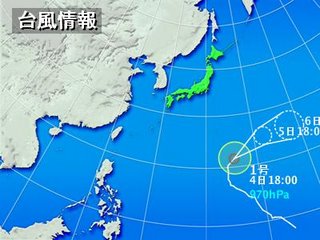
強い台風1号は、4日15時には小笠原近海にあって、北北東へ毎時20kmで進んでいます。中心気圧は970hPa、中心付近の最大風速は35m/sです。この台風は、5日15時には南鳥島近海付近へ達する見込みです。6日15時には南鳥島近海で温帯低気圧に変わる見込みです。


2006年の台風第一号は5月15日でした!


台風2007 写真集


. 2006年の台風
Typhoon Season 2006 .


:::::::::::::::::::::::::::::::::::::::::::::::::::::::::::::::::::::::::::::::::::::::::::::::::::::

大垪和 。。。道の駅に戻る – Michi no Eki – BACK

:::::::::::::::::::::::::::::::::::::::::::::::::::::::::::::::::::::::::::::::::::::::::::::::::::::
worldkigo

3/02/2007

070301 Ume

梅 Plum Blossoms


梅が香も 雪に交えて 庭の今朝


2月はずっと朝はマイナスでした。雪が少なかったし、昼もはた


2月の日記
Archives of February are HERE !


:::::::::::::::::::::::::::::::::::::::::::::::::::::::::::::::::::::::::::::::::::::::::::::::::::::

大垪和 。。。道の駅に戻る – Michi no Eki – BACK

:::::::::::::::::::::::::::::::::::::::::::::::::::::::::::::::::::::::::::::::::::::::::::::::::::::
worldkigo

3/01/2007

Atsugi 2010

Atsugi 2010


. . source : Japan Times, Feb. 28, 2010
Sunday, Feb. 28, 2010


OUR PLANET EARTH
Is the Atsugi tragedy finally drawing to a close?


By STEPHEN HESSE
Japan Times

During the 18 years I have been writing this column, few stories have haunted me as much as that about the Japanese-owned incinerator that, for more than a decade, fumigated the U.S. Naval Air Facility at Atsugi in the Kanagawa Prefecture cities of Yamato and Ayase.

Between 1998 and 2007, I have written six columns* on the incinerator, first known as Jinkanpo, then as the Shinkanpo Incineration Complex (SIC) and then, before it closed in 2001, as Enviro-Tech.

Today I still have videotapes of the incinerator spewing out black, oily smoke that U.S. Navy scientists found to contain a toxic mix of chemicals including tetrachloride dioxins, cadmium, mercury, nickel, chromium, arsenic and lead.

Sadly, the story did not end when the incinerator shut down. U.S. military personnel and their families who lived on the base during those years continue to suffer health effects, and for years they have fought for recognition and medical help from their government.

Finally, last month, the U.S. Senate passed a bill approving comprehensive legislation to deal with potentially hazardous environmental exposures on military installations. The bill is called the Examination of Exposure to Environmental Hazards During Military Service and Health Care for Camp Lejeune and Atsugi Naval Air Facility Veterans and Their Families Act of 2010.

The U.S. House of Representatives must still act, however, and there remains doubt about when, and if, this will happen.


Below are the stories of two women — Laurie Paganelli and Shelly Parulis — who have been instrumental in getting the U.S. government to begin taking responsibility, after years of foot-dragging, for both the Atsugi victims and those from the Marine Corps Base Camp Lejeune in North Carolina, where contaminated water supplies were revealed in 1982.

When did you first become concerned about living on NAF Atsugi?

Laurie Paganelli: My husband is a naval officer, a pilot, and he was ordered to NAF Atsugi in July 1997. Our tour of duty was three years, to June 2000. We first became concerned about the incinerator due to the obvious "chemical smell" of the emissions and because of reports that it was burning toxic chemicals. The prevailing winds always brought the emissions directly over our son Jordan's school (Shirley Lanham Elementary School) and also over our on-base housing.

Shelly Parulis: We were stationed at NAF Atsugi from January '95 to May '98. When we arrived, though, it was apparent the air was heavily polluted by Jinkanpo. Everyone had respiratory infections that were commonly referred to as the "Kanto Crud."


What were the first efforts you made to find out about health risks, and what responses did you get?

L.P.: Our first efforts were through two women who were wives of men in my husband's squadron. They had been trained in environmental science and engineering and began to investigate the operations and emissions of SIC. Through various meetings, e-mails and personal interactions, all of the families became aware of the hazards associated with the incinerator.

S.P.: Officially, early in 1998 there was a display of posters about dioxin poisoning and the Navy added papers to our medical records stating we were exposed to arsenic, benzene, cadmium, chromium, dioxin, lead, PCBs, nitrogen dioxide, mercury, sulfur dioxide and other chemicals that exceeded Maximum Contaminant Levels set by the U.S. government.

However, the consensus among us was not to worry, because we trusted that the Navy would not house families in a toxic zone.

When did you first notice health problems at Atsugi?

L.P.: Due to the smell, color and density of the emissions, we could tell that they were very chemical in nature. The emissions would burn our eyes, throats and other mucous membranes and our armpits. Additionally, our family experienced coughs, sore throats, and generally felt poorly during times of high emissions.

But our most tangible evidence of health problems came when we heard about pets dying of cancer and other health issues in quick succession. All of our neighbor's dogs and outdoor cats died, either at NAF Atsugi or within a year of returning to the United States. Our 2-year-old golden retriever died six months after we returned to the U.S. She was a puppy at Atsugi and like most puppies, she played in the dirt and chewed on wood chips, twigs and other things that had obviously been impregnated with toxins from the SIC emissions. Her body was consumed by cancer so fast there was no hope for treatment.

S.P.: In 1997, the NAF Atsugi Commanding Officer (CO) explained in the Skywriter [a Navy newsletter] that there was no justification for transfers because the Navy did not have anything in writing stating SIC was a health concern. During our tour, some members of my family developed headaches, joint pain, cardiovascular and gastrointestinal issues, benign growths, and other illnesses. However, I didn't make the connection to the incinerator exposure until my husband was diagnosed with kidney cancer a few years ago. Like most families, we believed the CO, and did not think the Navy would put our children in harm's way.


What was the government response to these health issues?

L.P.: Few were surprised to hear of the health issues reported by former residents of Atsugi. When our son Jordan was diagnosed with alveolar rhabdomyosarcoma [muscle cancer] in January 2008, we were flooded with calls and e-mails from former Atsugi residents who had become accustomed to hearing of such cases. Most people shared feelings of anger and betrayal because we, as residents and military members, were never told of the health hazards. It wasn't until we transferred in 2000 that the clinic started to document the "known" exposure. We were required to fill out and sign documentation that acknowledged our awareness of the potential health risks posed by emissions.

S.P.: In the eyes of the Navy, the source of the exposure at NAF Atsugi was a Japanese-owned incinerator off base, which removes them from responsibility. A few Navy environmental and medical folks have been helpful, however; most requests have been ignored or only minimally acted upon. I have tried to obtain the peer review of the latest reports, but the Navy will not release it. I have pursued Freedom of Information Act requests, appealed denials, and fought for every report I got and publicly posted (http://www.atsugi-incinerator-group.com/).


What do Atsugi and Camp Lejeune have in common?

L.P.: I don't really know. However, politically, the Camp Lejeune situation carries more weight because it is located in the U.S. Congressmen are more apt to take action because of the political consequences of not appearing sympathetic to the concerns of their constituents.

S.P: The U.S. Senate Committee on Veterans' Affairs (SCVA) has been a wonderful supporter of those exposed to toxic chemicals while living and/or serving on military bases. But this type of needless toxic exposure will continue until the Navy is directed to takes immediate and appropriate action when they obtain knowledge of contamination and health risks. Many military members and dependents have faced toxic exposure at [several military bases in other countries].


What do you hope will come out of the recent legislation?

L.P.: Acknowledgement, awareness, and treatment for those who were exposed to health risks through no fault of their own.

S.P.: My hope is that this bill becomes a law that will benefit military members, dependents and veterans. I hope that there is greater awareness and that everyone who has been exposed by this type of negligence will know that they have the right to speak out. In doing so they can create change and perhaps stop this type of exposure from happening again.


What have been the high and low points of your efforts?

L.P.: The low point? On Nov. 9, 2009 our son died. The high points have been the genuine concern and compassion shown by many citizens and members of the SCVA.

S.P.: The low points are fighting tooth and nail to get studies and information released from the Navy — and their unwillingness to make all information public. As for high points, I have to applaud the SCVA for passing the bill.


What has been the hardest part of this long journey?

L.P.: Doctors may never be able to connect our son Jordan's cancer and death directly to his exposure to toxic emissions from the SIC, but we certainly believe that it played a major role. As a young boy, he played outside all the time. Our housing, as well as his school and all the family sports fields, lay in the path of the SIC smoke. Knowing that my husband and our family went to Atsugi in good faith, assuming that there was no risk to our health, and knowing that our son may have contracted cancer while we were serving our country, these things have been very hard.

S.P.: The overwhelming concern I have for my husband and children's health has been the hardest to deal with. My husband has been cancer-free for a few years now and I consider that a great blessing. Furthermore, talking with parents who have watched their children battle cancers, such as rhabdomyosarcoma, brain cancer, leukemia, lymphoma and other illnesses and disabilities that could have been prevented, has been absolutely heartbreaking.

But the most frustrating thing I have dealt with is the knowledge that the Navy could have stopped ordering families to Atsugi in 1990 when they determined there was a health risk — but they did not.


Any other thoughts you would like to share?

L.P.: As a family, we have always been ready and willing to do whatever the Navy asked of us. We simply hope that the U.S. government continues to support its military members by providing the benefits needed when risks are discovered in the line of duty.

S.P.: I would like to encourage everyone to remember that we Americans have the freedom and the right to speak out. Writing letters to our senators and representatives is one way to have our voices heard, and a way for those who are empowered to know something is wrong and change is needed. Remember, the facts are on your side.

Stephen Hesse is a professor at Chuo University and director of the Chuo International Center. He can be contacted through stevehesse@hotmail.com *The columns that the author refers to appeared in The Japan Times on July 13 and 27, 1998; Feb. 12 and 26, and March 11, 2001; and June 27, 2007. Those published after 2000 can be found on the Web site at japantimes.co.jp
We welcome your opinions. Click to send a message to the editor.

The Japan Times
(C) All rights reserved
http://search.japantimes.co.jp/cgi-bin/fe20100228sh.html


:::::::::::::::::::::::::::::::::::::::::::::::::::::::::::::::::::::::::::::::::::::::::::::::::::::


In our archives here

. ATSUGI 2007 by Stephen Hesse   


. Waste Incinerator Problems in Ohaga since 2006   


:::::::::::::::::::::::::::::::::::::::::::::::::::::::::::::::::::::::::::::::::::::::::::::::::::::

大垪和 。。。道の駅に戻る – Michi no Eki - BACK

:::::::::::::::::::::::::::::::::::::::::::::::::::::::::::::::::::::::::::::::::::::::::::::::::::::
worldkigo