ACCOUNTABILITY AT ATSUGI
厚木市の焼却炉の後始末
Wednesday, June 27, 2007
© Japan Times / STEPHEN HESSE
ACCOUNTABILITY AT ATSUGI
Is this a poisons coverup?
By STEPHEN HESSE
Mariners say the oceans reveal their secrets only grudgingly. Shelly Parulis would say the same of the U.S. Navy.
No matter. Parulis is undaunted in her quest to find out what that branch of the American armed forces knows — and what it is going to do about — toxic smoke that billowed across the U.S Naval Air Facility at Atsugi in Japan's central Kanagawa Prefecture for more than a decade.
The wife of a U.S. Marine, and a mother of two, Parulis and others believe that the cancers, lesions and other health problems they and their families suffer are linked to carcinogenic emissions they were exposed to while on assignment at NAF Atsugi.
Longtime readers of The Japan Times may remember two series of columns I wrote about a privately owned incinerator abutting the Atsugi base, about 40 km southwest of Tokyo (July 13, 27, 1998; Feb. 12, 26 and March 11, 2001). For years the facility spewed out an acrid mix of dangerous chemicals, contaminating the air, soil, homes and offices of U.S. Navy personnel and their families.
The incinerator finally closed in 2001, soon after the U.S. Department of Justice brought a lawsuit against the owner. Interestingly, just before the court handed down its decision, the Japanese government paid the facility owner millions of dollars to close its doors. In so doing, it brought the controversy to an abrupt, if murky, close.
The story of Jinkanpo, also know as the Shinkanpo Incineration Complex, and later renamed Enviro-Tech, is a tale of frustration, of clashing cultures, and of overt and covert links between Japanese officials and the underworld, which was involved in the "legal" disposal of toxic and medical wastes.
It is also a story of U.S. officials spending millions on testing and surveillance, and bending over backward to work within the Japanese system, even as irrefutable proof piled up that U.S. personnel and their families were being exposed to grave health risks.
And it is the story of Japanese and Americans putting blind faith in their governments, assuming that those responsible would do the right thing and let people know if they, and their families, were at risk.
For Shelly Parulis, her eyes were forced wide open when her family's health suddenly began to decline. "My husband, at 40, was diagnosed with renal cell carcinoma, kidney cancer. The cancer is in remission now, but his diagnosis was when I started to wonder if the incinerator's toxic emissions had caused his cancer," she said in an e-mail.
"My family has had several bizarre health issues since we came back to the States in 1998. Our daughter had a strange scalp infection and lost most of her hair. It took about a year to grow back. She also had two small benign tumors on her foot. My son started having migraines and rapid-heartbeat episodes the last few months we were stationed at Atsugi. However, as time has passed these problems have diminished. Recently, though, now 15, he had 20-30 small lesions appeared on both his feet and ankle areas. He also has had a tumor removed from his arm," she explained.
Parulis' husband has served in the U.S. Marine Corps for more than 20 years and he and his family were stationed at NAF Atsugi from 1995 to 1998.
"The incinerator was just a couple of hundred meters from our military housing unit, the child day-care center that my son attended, and the Shirley Lanham Elementary School were I worked and our children went to school," she said.
In her search for more information about the pollutants that contaminated Atsugi, Parulis has met others suffering "Atsugi syndrome."
These are some of the experiences they have shared:
Andrea: "I was stationed in Atsugi from 1982 to 1985. Daily I encountered a foul odor in the air and noticed a dark heavy haze over the base generally throughout the day. At times it was hard to breathe and I developed severe migraines. During my four years in Atsugi I also developed rectal bleeding and gastrointestinal cramping. I did not realize until many years later that this was caused by Crohn's disease, which is a GI autoimmune disease. I also suffer Primary Sclerosing Cholangitis, a liver disease. Every symptom and disease I have shown over the past 17 years fits the findings of toxic exposure."
Steve: "We were stationed at Atsugi from 1987 to 1990. Our daughter was born in 1984 in [nearby] Yokosuka. In 2004 she was diagnosed with cancer, acute myelogenous leukemia. In 2006 she passed away at the age of 22."
Marlyn: "From 1989 to 1994 we lived 250 meters from Jinkanpo. There are 246 toxins listed at Atsugi, including benzene, sulfur dioxide, nitrogen dioxide, hydrochloric acid, carbon tetrachloride dioxins, cadmium, mercury, nickel, chromium, arsenic and lead, to list just some. My whole family has had health problems — neurological problems, immune-system disorders, skin disorders, lung problems, headaches, dizziness, depression, insomnia, tremor, numbness, muscle weakness, nervousness, anxiety, fatigue."
John: "I was stationed at NAF Atsugi from April 1991 through April 1995.
During that time I often experienced general fatigue, suffered nose bleeds, and had intense itching on my palms and the soles of my feet. Shortly after my transfer in 1997, I was diagnosed with Primary Biliary Cirrhosis, a rare non-behavior based autoimmune liver disease with no known cause or cure. I received a liver transplant in November 1999. I have since been diagnosed with several other autoimmune illnesses. My wife, who was stationed with me, has also been diagnosed with several autoimmune illnesses, including Lupus, fibromyalgia and rheumatoid arthritis."
Jinkanpo began operations in 1980, and within several years Atsugi residents became uneasy.
By 1990, health concerns spurred a regional commander to request that the Naval Energy and Environmental Support Activity do an on-site inspection.
Their report was unequivocal. "We were mentally unprepared for anything this bad," the team of engineers reported.
"Industrial wastes and plastics contained in municipal solid and commercial waste create a 'witches brew' of toxic emission . . . much of NAF is fumigated by noxious fumes. Personnel at the facility complain of eye irritation, nausea and respiratory discomfort when exposed to the plumes," they wrote.
"One heck of a problem — a definite health issue. There is a strong potential for adverse health effects on base residents because of the incinerators," they concluded.
Because the incinerator was owned by a Japanese national under Japanese jurisdiction, however, few of the team's recommendations could actually be implemented by the U.S. Navy.
And Japanese authorities insisted the owner was operating within the law, despite clear evidence to the contrary.
It took 11 more years of wrangling before the incinerator closed.
Parulis has been in touch with the Bureau of Medicine and Surgery at the Department of the Navy, and BUMED has replied with polite caution. The U.S. Navy has agreed to do a limited health survey of selected former Atsugi residents, but there is no doubt that officials are also worried about liability — perhaps more than they are worried about tracking down and helping past and present victims of Atsugi Syndrome.
When Parulis wrote to an environmental consulting firm in Tokyo concerning work it had done for the U.S. Navy on the incinerator issue, the firm's answer was revealing:
"Dear Shelly,
Unfortunately, NAF Atsugi has no intention to provide any assistance for you here in Japan. They said to me, that you should contact someone available in U.S. They are afraid of the law suit (accusation) that might be planned by you."
So what does Parulis want from the U.S. Navy?
She outlines her recommendations in a May 21 letter to Rear Admiral D.J. Smith at BUMED: Conduct a health survey of all those exposed to the Atsugi emissions; notify all exposed personnel of the health risks associated with assignments at NAF Atsugi. Explain the chemicals and their effects to all those exposed. Notify and educate all Navy hospitals, clinics and veterans health facilities regarding the diseases and complications related to the Atsugi toxic exposure; and, fund preventative health screening and care.
But perhaps more than anything else, Parulis wants to know why the U.S. Navy continued to send families with small children to NAF Atsugi when they already knew about the dangerous toxins in the air, soil, schools and living quarters there.
When I heard this, I truly wanted to offer some consolation, some explanation, knowing how much she and her family are suffering.
But no satisfactory answer came to mind.
Except simple hubris: The excess confidence and pride that infects those in power, allowing them to justify the sacrifice of others for their own self-righteous agenda — even those they have been charged to protect and serve.
Readers can contact Shelly Parulis at atsugi-incinerator@yahoo.com
Stephen Hesse welcomes comments at stevehesse@hotmail.com
:::::::::::::::::::::::::::::::::::::::::::::::::::::::::::::::::::::::::::::::::::::::::::::::::::::
Thanks for bringing up these problems, Steve and Shelly!
I wonder about the Japanese and other inhabitants of Atsugi and its surroundings at that time, they should have similar problems.
Is anything known about their state of health?
GABI
:::::::::::::::::::::::::::::::::::::::::::::::::::::::::::::::::::::::::::::::::::::::::::::::::::
Review of the US Navy's Human Health Risk Assessment of the Naval Air Facility at Atsugi, Japan (2001)
This report was prepared by the Subcommittee on the Atsugi Incinerator, a subcommittee of the National Research Council's Committee on Toxicology, in response to a request from the US Navy for an independent review of the Navy Environmental Health Center (NEHC) report NAF Atsugi, Japan Human Health Risk Assessment Summary of Findings, Conclusions and Recommendations, Draft Final, January 2000 (NEHC 2000). In reviewing the NEHC draft summary report, the subcommittee also studied a number of supporting documents, including a risk-assessment draft report prepared by Pioneer Technologies Corporation (Pioneer 2000); sampling plans, sampling results, and summaries prepared by Radian International (Radian 1998a,b,c,d, 1999a,b,c,d, 2000a,b,c,d); statistical analyses prepared by Research Triangle Institute (RTI 1999); and quality-assurance reports (IT 1999; UAI 1999). A brief summary of the subcommittee's review of the risk assessment is provided below and is followed by a detailed evaluation of the planning of the risk assessment, data analyses, interpretation of the results of the risk assessment, data gaps, some suggestions for improving the NEHC draft summary report itself, and the responses of NEHC to comments from previous National Research Council committees. Specific examples of some of the problems associated with the NEHC draft summary report and other issues are presented in appendixes.
SUMMARY
The Enviro-Tech incinerator facility, formerly called the Shinkampo or Jinkanpo incinerator complex, is adjacent to the US Naval Air Facility (NAF) at Atsugi, Japan, southwest of Tokyo. Enviro-Tech is a privately owned waste-combustion facility that consists of three incinerators, a waste-staging area, and an ash-holding area. Concerns have been raised by the residents of NAF Atsugi—US Navy personnel and their families—regarding the health effects of exposure to emissions from the incinerators and to chemicals resulting from the storage, handling, and disposal of waste material at the facility.
At the Navy's request, the National Research Council's Committee on Toxicology (COT) previously reviewed preliminary health risk assessments of NAF Atsugi that had been conducted by Navy Environmental Health Center (NEHC 1995, 1998). COT concurred with NEHC's overall recommendation that a comprehensive health risk assessment of NAF Atsugi be conducted (NRC 1995, 1998). NEHC conducted a comprehensive health risk assessment of NAF Atsugi and issued a draft summary report in 2000, NAF
http://books.nap.edu/openbook.php?record_id=10053&page=1
:::::::::::::::::::::::::::::::::::::::::::::::::::::::::::::::::::::::::::::::::::::::::::::::::::
3
焼却炉周辺に、がん、ぜんそく、心臓発作、うつ病、リュウマチ、関節炎、奇形、出産異常、乳児死亡等の病気が多いことを示す研究が多くあるそうです。このような病気にかかるかも知れない恐怖を抱いて、生活することは到底耐えられません。また、これらの毒物を含んだ排気ガスは、周辺限りなく広範囲に飛散し、特に周辺4km以内が最も危険であると聞き及んでいます。
city.atsugi.kanagawa.jp
厚木市の「棚沢地区ごみ中間処理施設建設白紙撤回を求める会」
© www.kawara-ban.com
XXXXXXXXXXXXXXXXXXXXXXXXXXXXXXXXXXXXXXXXXXX
. 岡山県美咲町大垪和西の焼却炉 .
1998 の記憶
. ATSUGI 2010
Stephen Hesse
:::::::::::::::::::::::::::::::::::::::::::::::::::::::::::::::::::::::::::::::::::::::::::::::::::::
大垪和 。。。道の駅に戻る – Michi no Eki - BACK
:::::::::::::::::::::::::::::::::::::::::::::::::::::::::::::::::::::::::::::::::::::::::::::::::::::
worldkigo
9/02/2005
Waste Incinerator
岡山県美咲町大垪和西の焼却炉
The Waste Incinerator at Ohaga Nishi,
Misaki-Cho, Okayama Pref.
現状 2005年10月07日, at October 7, 2005
2006年、1月16日、最後の裁判、以下を見て。
写真を大きく見えるために写真をCLICKしてください。

村の真上にあります。
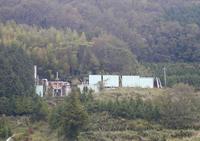
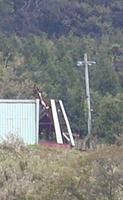
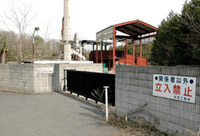
台風や大雨で塀の大分が壊れています。塀の板も飛んでいって、流されている状態。
炉のさび付いている姿が丸見え。
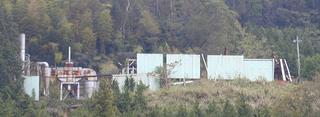
入り口の部分も壊れています。
改めて写真を作ります。
。。。。。。。。。。。。。。。。。。。。。。
バリケードが完全になくなりました。
(多分、今年2005年の春頃に、阻止連盟と守る会と十分の相談なしに。。。)
農機具を上に移動するために村上さんが申し出たらしいのですが役場はそれに応じたそうです。

上のバリケード

下のバリケード
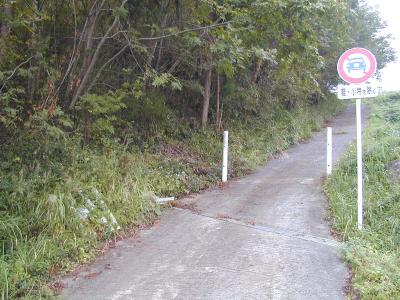
...................V
ここに隠れてあります。
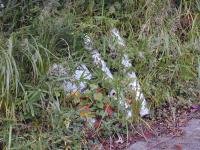
2005年の秋、バリケードがない状態が分かります。
なぜそんな状態になったのか?
これからどうなるのか?
美咲町の役場がなにを考えているのか?
住民が十分守られているのでしょうか?
相変わらず10月07日、現状は裁判中です。
そのままにしてほしいものです。
ガビ グレーベ
ベル ヂイクハウス
2005年10月07日
美咲町、大垪和地区の住民です。
Am zweiten Dezember war Verhandlung, der Gegner ist aber nicht zu fassen gewesen.
Naechster Termin ist am 16ten im neuen Jahr.
::::::::::::::::::::::::::::::::::::::::::::::::::::::::::::::::::::::::
2005年、9月3日の形井参与宛てのメール
形井さん、
最後の裁判は1999年、3月17日でした。
和解で終わったが、
業者は焼却炉を使わないことを約束し、
業者は中央町相手に裁判を起こし、バリケードの撤去を認める。そこで勝ったらまだ住民との裁判を続けるように。
住民の裁判は今相変わらず途中でございます。
業者は町相手の裁判を起こせなかったのです。
(勝つ見込みはなかった。形井参与がバリケードを守ると約束しました。)
古い RiceTerasse があります。
具体的にどんな資料が必要でしょうか?現場、裁判などの写真なら、沢山あります。
よろしくお願いいたします。
ガビ
::::::::::::::::::::::::::::::::::::::::::::::::::::::::::::::::::::::::
Fighting the Waste Incinerator, this is a long story.
These are two articles which were published in the Dead Fukuzawa Archives in 1999. We had just moved to the countryside when a company was trying to built TWO waste incinerators in our rural community.
Dirty Dioxin Dealings
Bernard Diekhaus & Gabi Greve
Sat, 6 Mar 1999
Fightig a Waste Incinerator in Ohaga, Japan / Gabi Greve
Original is here:
http://www.mail-archive.com/fukuzawa@ucsd.edu/msg04901.html
The waste incinerator was built, as you can see, but never used because the barricades prevented big trucks from bringing waste up to the incinerator.
The village authorities had promised to keep these barricades, but now, as you can see, they are gone.
If need be, I can tell this long story of our fight in 1998 again here.
:::::::::::::::::::::::::::::::::::::::::::::::::::::::::::::::::::::::::::::::::::::::::::::::::::::
99年3月6日の資料
中国新聞、広島
反対運動で操業を阻止-住民、町の対応に不信
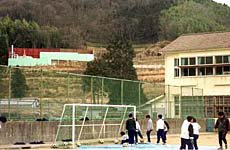
大垪和小のすぐ裏手に建設された産業廃棄物の焼却施設。町の対応は後手後手に回った
(岡山県中央町)
健康への影響懸念
棚田が広がる岡山県久米郡中央町の大垪和(おおはが)小学校。児童数三十八人の小さな学校を見下ろすように、北側の山腹に産業廃棄物の焼却施設がある。健康への影響を心配する住民と産廃業者の対立から昨年七月、児童の七割が集団欠席するという異常事態が起こった。「町は何の力にもなってくれなかった」。住民の不信は今も残る。
陶芸家高垣敏弘さん(43)は、反対運動を続ける住民グループ「大垪和の自然と子どもの命を守る会」(七十人)の事務局長だ。焼却炉は、校庭から二百mしか離れていない。住民は操業開始を阻止したが、その真下には保育所もある。
「なぜ町は、こんな場所に焼却炉の建設を許したのか」。文部省のダイオキシン対策で、学校内のごみ焼却炉も撤去された今、高垣さんら住民は、矛先を町に向ける。
松山市に本社を置く建設解体業者が、焼却炉設置届を県と町に提出し、工事を始めたのは一昨年の十一月。住民が概要をおぼろげに知ったのは、年が明けてからだった。町からは何の情報も流れてこなかった。
大垪和小のすぐ裏手に建設された産業廃棄物の焼却施設。町の対応は後手後手に回った(岡山県中央町)
後手に回った行政
池上彰昌町長(66)の釈明はこうだ。「担当課から報告が上がらず、実は私も知らなかった」。住民が知ったのとほぼ同じころ、隣町の久米南町の町議から聞いた、と明かす。
「ただ…」と池上町長は言う。「廃棄物処理法や大気汚染防止法をクリアしていれば、届け出は受理せざるを得ない。担当課は、是非についての判断は県に任せることにしたようだ」。どこかひとごとのような口調で言葉を継いだ。
町が手をこまねいている中、住民は一足先に立ち上がった。町や県、県議会に建設反対を申し入れ、「守る会」や小学校のPTAなど十団体が町産業廃棄物施設阻止連絡協議会を結成。懸命の抵抗を試みた。
そうした動きに押されるように、町もようやく重い腰を上げる。農地転用が許可されていないことを理由に、工事の中止を勧告したのだ。が、業者側はそれを無視。町が建設地への町道を車両通行禁止にする直前に、焼却炉は搬入され、功を奏さなかった。
後手に回る町の対応をしり目に昨年七月、業者は試運転を開始。住民は、児童の集団欠席という非常手段に出た。「ベストの方法だったとは思わない。子どもを巻き込むことに迷いもあった」と高垣さん。反対運動をやめるよう、脅迫めいた電話も受けたという。
反対派トップ当選
「町と住民が連携して建設を阻止したかったが…。非常手段に訴えなければならないほど、逆にこちらが追い詰められてしまった」と、高垣さんは唇をかむ。業者側は「健康への影響は心配ない」と説明するが、住民六百八十七人は昨年十一月、焼却炉の操業差し止めを求める仮処分を岡山地裁に申請した。
産廃処理場の建設をめぐって揺れ続ける中央町に今年一月、新たな胎動が生まれた。十六人が十四議席を争った町議選で、守る会メンバーの酪農業岸本清治さん(43)が、トップ当選を果たしたのだ。大垪和地区から二人の当選。「地元有権者は六百人余り。それが二人で八百票近くあった」と話す岸本さんは、町民全体の後押しを感じている。
「町がもっと真剣に町民の不安をくんでくれていたら、僕は選挙に出ていなかった」。住民の声を伝えるため、そして信頼を失いかけている町行政をチェックするために、岸本さんは今、九日から始まる三月議会での質問案を練る。まず産廃問題について、姿勢をただすつもりだ。
http://www.chugoku-np.co.jp/crisis/6/990306.html
:::::::::::::::::::::::::::::::::::::::
1998年11月11日
岡山県中央町で産廃焼却反対
岡山県中央町大垪和西地区の住民は、エヴァ環境開発が同地区に建設した産廃焼却炉の運転差し止めを求める仮処分申請を岡山地裁に行った。同町は開発条例違反を理由に工事の中止を勧告、さらに岡山地検津山支部に告発したが、同施設は平成10年7月10日から試運転を行っている。(98.11.11)
環境関連動向【News】
http://www.asahi-net.or.jp/~xj6t-tkd/env/envnews98.html
:::::::::::::::::::::::::::::::::::::::
月19日(日) 1998年7月
焼却炉に反対し集団欠席
岡山の小学生29人
産業廃棄物の焼却炉の運転に反対している岡山県中央町の住民の子ども 29人が16日、町立大垪和小学校(児童数38人)を集団で欠席しま した。焼却炉は学校から200メートルのところにあり、民間の業者が 10日に試運転を始めました。
父母は「異臭のする学校に子どもを行か られない」としています。
http://www2s.biglobe.ne.jp/~fujisan/nao/nshin/ns9807.html
:::::::::::::::::::::::::::::::::::::::
大垪和の自然と子供の命を守る会
岡山県久米郡中央町で現在起きている産廃問題についての報告
このページはなくなった。
:::::::::::::::::::::::::::::::::::::::::::::::::::::::::::::::::::::::::::::::::::::::::::::::::::::
2006年1月16日、朝 11:00時
最後の裁判、相手の業者が現れないし、連絡がつかないので,
住民の勝ち!
弁護団の皆様、長い戦いでご苦労様!
まだ楽に極楽庵に遊びに来てください!
:::::::::::::::::::::::::::::::::::::::::::::::::::::::::::::::::::::::::::::::::::::::::::::::::::::
話の続きは 2006年5月12日に有ります !!!
. © 山陽新聞 .
津山の産廃撤去へ 岡山県
業者放置し活動停止 環境へ悪影響懸念
岡山県は11日までに、津山市南部の民間の中間処理施設に大量放置されているシュレッダーダスト(自動車などの破砕くず)を撤去する方針を固めた。早ければ6月にも着手する。施設を所有する業者が活動停止中のため、このままでは撤去の見込みがないうえ、将来的には周辺環境に悪影響を与える懸念もあることから直接撤去に乗り出す。
県循環型社会推進課によると、業者は同市桑下の栄研工業。1995年に産業廃棄物処分業の許可を受け、同所でシュレッダーダストの焼却処理を開始。直後から、許容量を超えるごみの持ち込みが判明した。
県は99年1月、廃棄物処理法に基づいて保管量と場所の適正化を求める改善命令を出したが、履行されなかった。2001年2月には処分業許可も取り消している。
施設内にあるシュレッダーダストは約6000立方メートル、重さは推定で2000トンを超える。施設内にあるものの、許可を受けていない場所に野積みされた「不法投棄」状態で、県内最大になる。
岡山県が直接撤去する方針を固めたシュレッダーダストが野積みされている津山市内の産廃処理施設
:::::::::::::::::::::::::::::::::::::::::::::::::::::::::::::::::::::::::::::::::::::::::::::::::::::
ACCOUNTABILITY AT ATSUGI
Another waste incinerator story
Situation in 2007
Is the Atsugi tragedy finally drawing to a close?
By STEPHEN HESSE
February 28, 2010
. Atsugi 2010 ...
:::::::::::::::::::::::::::::::::::::::::::::::::::::::::::::::::::::::::::::::::::::::::::::::::::::
大垪和 。。。道の駅の戻る - BACK
:::::::::::::::::::::::::::::::::::::::::::::::::::::::::::::::::::::::::::::::::::::::::::::::::::::
The Waste Incinerator at Ohaga Nishi,
Misaki-Cho, Okayama Pref.
現状 2005年10月07日, at October 7, 2005
2006年、1月16日、最後の裁判、以下を見て。
写真を大きく見えるために写真をCLICKしてください。

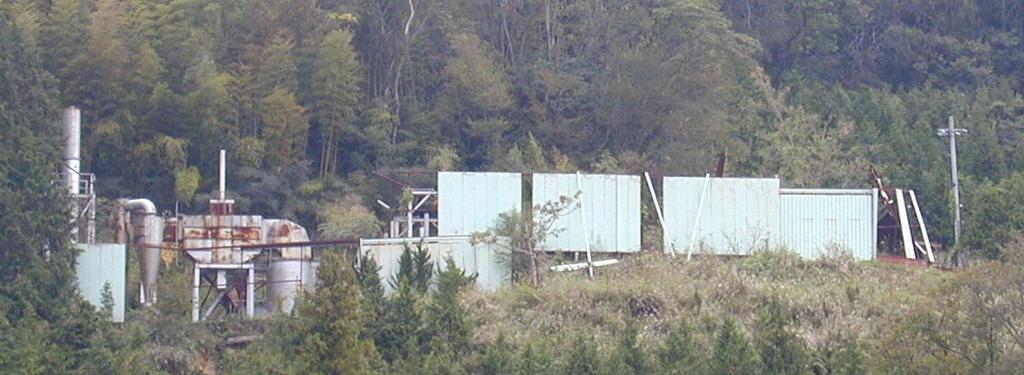
村の真上にあります。

台風や大雨で塀の大分が壊れています。塀の板も飛んでいって、流されている状態。
炉のさび付いている姿が丸見え。
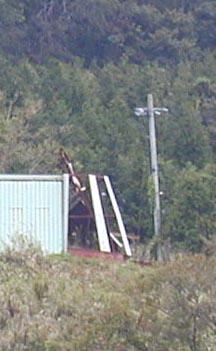
入り口の部分も壊れています。
改めて写真を作ります。
。。。。。。。。。。。。。。。。。。。。。。
バリケードが完全になくなりました。
(多分、今年2005年の春頃に、阻止連盟と守る会と十分の相談なしに。。。)
農機具を上に移動するために村上さんが申し出たらしいのですが役場はそれに応じたそうです。

上のバリケード

下のバリケード

...................V
ここに隠れてあります。

2005年の秋、バリケードがない状態が分かります。
なぜそんな状態になったのか?
これからどうなるのか?
美咲町の役場がなにを考えているのか?
住民が十分守られているのでしょうか?
相変わらず10月07日、現状は裁判中です。
そのままにしてほしいものです。
ガビ グレーベ
ベル ヂイクハウス
2005年10月07日
美咲町、大垪和地区の住民です。
Am zweiten Dezember war Verhandlung, der Gegner ist aber nicht zu fassen gewesen.
Naechster Termin ist am 16ten im neuen Jahr.
::::::::::::::::::::::::::::::::::::::::::::::::::::::::::::::::::::::::
2005年、9月3日の形井参与宛てのメール
形井さん、
最後の裁判は1999年、3月17日でした。
和解で終わったが、
業者は焼却炉を使わないことを約束し、
業者は中央町相手に裁判を起こし、バリケードの撤去を認める。そこで勝ったらまだ住民との裁判を続けるように。
住民の裁判は今相変わらず途中でございます。
業者は町相手の裁判を起こせなかったのです。
(勝つ見込みはなかった。形井参与がバリケードを守ると約束しました。)
古い RiceTerasse があります。
具体的にどんな資料が必要でしょうか?現場、裁判などの写真なら、沢山あります。
よろしくお願いいたします。
ガビ
::::::::::::::::::::::::::::::::::::::::::::::::::::::::::::::::::::::::
Fighting the Waste Incinerator, this is a long story.
These are two articles which were published in the Dead Fukuzawa Archives in 1999. We had just moved to the countryside when a company was trying to built TWO waste incinerators in our rural community.
Dirty Dioxin Dealings
Bernard Diekhaus & Gabi Greve
Sat, 6 Mar 1999
Fightig a Waste Incinerator in Ohaga, Japan / Gabi Greve
Original is here:
http://www.mail-archive.com/fukuzawa@ucsd.edu/msg04901.html
The waste incinerator was built, as you can see, but never used because the barricades prevented big trucks from bringing waste up to the incinerator.
The village authorities had promised to keep these barricades, but now, as you can see, they are gone.
If need be, I can tell this long story of our fight in 1998 again here.
:::::::::::::::::::::::::::::::::::::::::::::::::::::::::::::::::::::::::::::::::::::::::::::::::::::
99年3月6日の資料
中国新聞、広島
反対運動で操業を阻止-住民、町の対応に不信
大垪和小のすぐ裏手に建設された産業廃棄物の焼却施設。町の対応は後手後手に回った
(岡山県中央町)
健康への影響懸念
棚田が広がる岡山県久米郡中央町の大垪和(おおはが)小学校。児童数三十八人の小さな学校を見下ろすように、北側の山腹に産業廃棄物の焼却施設がある。健康への影響を心配する住民と産廃業者の対立から昨年七月、児童の七割が集団欠席するという異常事態が起こった。「町は何の力にもなってくれなかった」。住民の不信は今も残る。
陶芸家高垣敏弘さん(43)は、反対運動を続ける住民グループ「大垪和の自然と子どもの命を守る会」(七十人)の事務局長だ。焼却炉は、校庭から二百mしか離れていない。住民は操業開始を阻止したが、その真下には保育所もある。
「なぜ町は、こんな場所に焼却炉の建設を許したのか」。文部省のダイオキシン対策で、学校内のごみ焼却炉も撤去された今、高垣さんら住民は、矛先を町に向ける。
松山市に本社を置く建設解体業者が、焼却炉設置届を県と町に提出し、工事を始めたのは一昨年の十一月。住民が概要をおぼろげに知ったのは、年が明けてからだった。町からは何の情報も流れてこなかった。
大垪和小のすぐ裏手に建設された産業廃棄物の焼却施設。町の対応は後手後手に回った(岡山県中央町)
後手に回った行政
池上彰昌町長(66)の釈明はこうだ。「担当課から報告が上がらず、実は私も知らなかった」。住民が知ったのとほぼ同じころ、隣町の久米南町の町議から聞いた、と明かす。
「ただ…」と池上町長は言う。「廃棄物処理法や大気汚染防止法をクリアしていれば、届け出は受理せざるを得ない。担当課は、是非についての判断は県に任せることにしたようだ」。どこかひとごとのような口調で言葉を継いだ。
町が手をこまねいている中、住民は一足先に立ち上がった。町や県、県議会に建設反対を申し入れ、「守る会」や小学校のPTAなど十団体が町産業廃棄物施設阻止連絡協議会を結成。懸命の抵抗を試みた。
そうした動きに押されるように、町もようやく重い腰を上げる。農地転用が許可されていないことを理由に、工事の中止を勧告したのだ。が、業者側はそれを無視。町が建設地への町道を車両通行禁止にする直前に、焼却炉は搬入され、功を奏さなかった。
後手に回る町の対応をしり目に昨年七月、業者は試運転を開始。住民は、児童の集団欠席という非常手段に出た。「ベストの方法だったとは思わない。子どもを巻き込むことに迷いもあった」と高垣さん。反対運動をやめるよう、脅迫めいた電話も受けたという。
反対派トップ当選
「町と住民が連携して建設を阻止したかったが…。非常手段に訴えなければならないほど、逆にこちらが追い詰められてしまった」と、高垣さんは唇をかむ。業者側は「健康への影響は心配ない」と説明するが、住民六百八十七人は昨年十一月、焼却炉の操業差し止めを求める仮処分を岡山地裁に申請した。
産廃処理場の建設をめぐって揺れ続ける中央町に今年一月、新たな胎動が生まれた。十六人が十四議席を争った町議選で、守る会メンバーの酪農業岸本清治さん(43)が、トップ当選を果たしたのだ。大垪和地区から二人の当選。「地元有権者は六百人余り。それが二人で八百票近くあった」と話す岸本さんは、町民全体の後押しを感じている。
「町がもっと真剣に町民の不安をくんでくれていたら、僕は選挙に出ていなかった」。住民の声を伝えるため、そして信頼を失いかけている町行政をチェックするために、岸本さんは今、九日から始まる三月議会での質問案を練る。まず産廃問題について、姿勢をただすつもりだ。
http://www.chugoku-np.co.jp/crisis/6/990306.html
:::::::::::::::::::::::::::::::::::::::
1998年11月11日
岡山県中央町で産廃焼却反対
岡山県中央町大垪和西地区の住民は、エヴァ環境開発が同地区に建設した産廃焼却炉の運転差し止めを求める仮処分申請を岡山地裁に行った。同町は開発条例違反を理由に工事の中止を勧告、さらに岡山地検津山支部に告発したが、同施設は平成10年7月10日から試運転を行っている。(98.11.11)
環境関連動向【News】
http://www.asahi-net.or.jp/~xj6t-tkd/env/envnews98.html
:::::::::::::::::::::::::::::::::::::::
月19日(日) 1998年7月
焼却炉に反対し集団欠席
岡山の小学生29人
産業廃棄物の焼却炉の運転に反対している岡山県中央町の住民の子ども 29人が16日、町立大垪和小学校(児童数38人)を集団で欠席しま した。焼却炉は学校から200メートルのところにあり、民間の業者が 10日に試運転を始めました。
父母は「異臭のする学校に子どもを行か られない」としています。
http://www2s.biglobe.ne.jp/~fujisan/nao/nshin/ns9807.html
:::::::::::::::::::::::::::::::::::::::
大垪和の自然と子供の命を守る会
岡山県久米郡中央町で現在起きている産廃問題についての報告
このページはなくなった。
:::::::::::::::::::::::::::::::::::::::::::::::::::::::::::::::::::::::::::::::::::::::::::::::::::::
2006年1月16日、朝 11:00時
最後の裁判、相手の業者が現れないし、連絡がつかないので,
住民の勝ち!
弁護団の皆様、長い戦いでご苦労様!

まだ楽に極楽庵に遊びに来てください!
:::::::::::::::::::::::::::::::::::::::::::::::::::::::::::::::::::::::::::::::::::::::::::::::::::::
話の続きは 2006年5月12日に有ります !!!
. © 山陽新聞 .
津山の産廃撤去へ 岡山県
業者放置し活動停止 環境へ悪影響懸念
岡山県は11日までに、津山市南部の民間の中間処理施設に大量放置されているシュレッダーダスト(自動車などの破砕くず)を撤去する方針を固めた。早ければ6月にも着手する。施設を所有する業者が活動停止中のため、このままでは撤去の見込みがないうえ、将来的には周辺環境に悪影響を与える懸念もあることから直接撤去に乗り出す。
県循環型社会推進課によると、業者は同市桑下の栄研工業。1995年に産業廃棄物処分業の許可を受け、同所でシュレッダーダストの焼却処理を開始。直後から、許容量を超えるごみの持ち込みが判明した。
県は99年1月、廃棄物処理法に基づいて保管量と場所の適正化を求める改善命令を出したが、履行されなかった。2001年2月には処分業許可も取り消している。
施設内にあるシュレッダーダストは約6000立方メートル、重さは推定で2000トンを超える。施設内にあるものの、許可を受けていない場所に野積みされた「不法投棄」状態で、県内最大になる。

岡山県が直接撤去する方針を固めたシュレッダーダストが野積みされている津山市内の産廃処理施設
:::::::::::::::::::::::::::::::::::::::::::::::::::::::::::::::::::::::::::::::::::::::::::::::::::::
ACCOUNTABILITY AT ATSUGI
Another waste incinerator story
Situation in 2007
Is the Atsugi tragedy finally drawing to a close?
By STEPHEN HESSE
February 28, 2010
. Atsugi 2010 ...
:::::::::::::::::::::::::::::::::::::::::::::::::::::::::::::::::::::::::::::::::::::::::::::::::::::
大垪和 。。。道の駅の戻る - BACK
:::::::::::::::::::::::::::::::::::::::::::::::::::::::::::::::::::::::::::::::::::::::::::::::::::::

Subscribe to:
Posts (Atom)